Dendrochronological dating and provenance determination - Wood studies - Translation
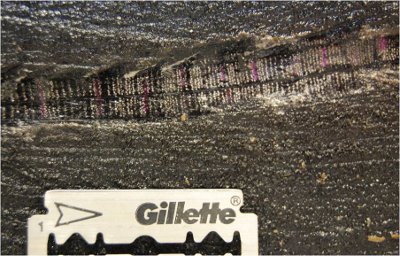
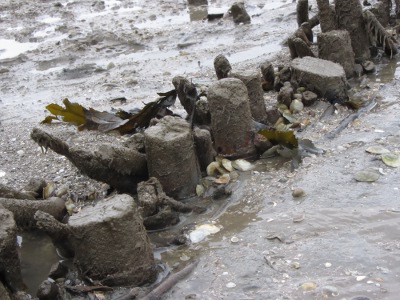
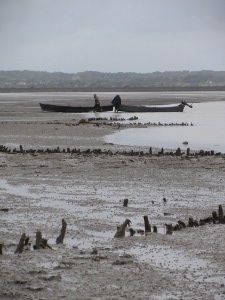
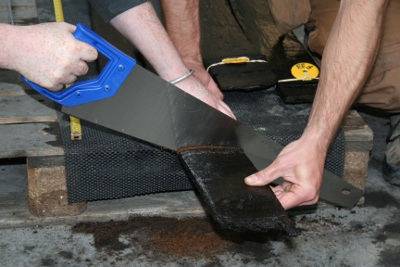
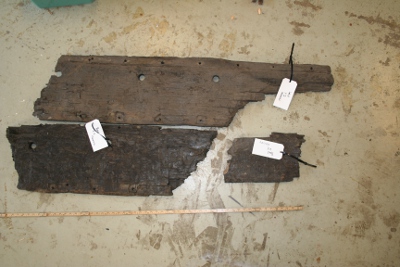
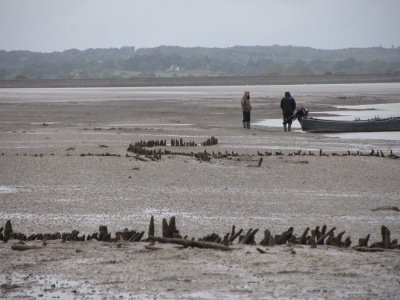
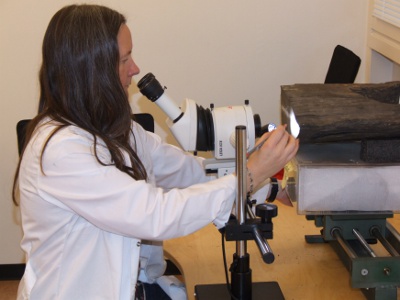
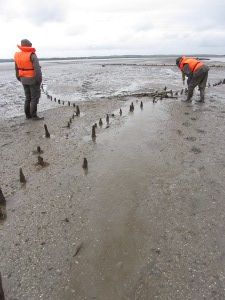
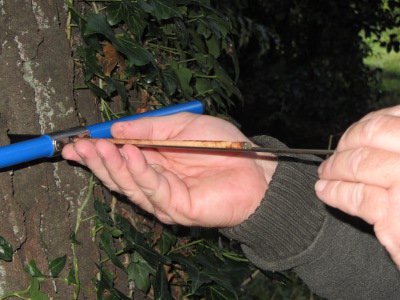
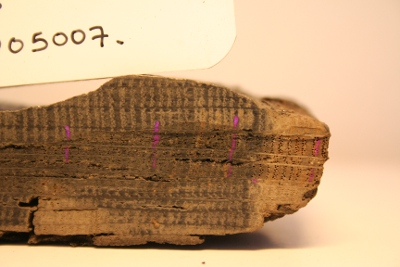
Dendro.dk carries out research-based and commercial analysis of wood from archaeological and historic contexts. Through dendrochronology, timbers are precisely dated and their region of origin is identified. The material I analyse includes ancient shipwrecks, historical buildings, art objects and timber structures and wooden artefacts found archaeologically. All data generated is incorporated in an international perpetual digital repository to be available for continuing and future research.
March 2016
I have been granted funding from the European Research Council for a research project entitled:
Northern Europe's timber resource - chronology, origin and exploitation.
The project will run for five years, from 1 September 2016 and will include four postdoc positions, to be announced. The project will be based at the University of Copenhagen.
Project summary:
Material evidence
Empirical evidence for the history of the exploitation of the timber resource in Northern Europe is stored in the material record. Archaeological finds, art-historical objects and built heritage have provided us with an extensive dataset of precisely dated wood from cultural heritage contexts. This material is the key to details about the usage, condition and availability of the timber resource and details of trade in timber, with specific reference to the maritime timber trade, from c. AD 1100 to 1700. This is possible because tree-ring studies provide not only the precise felling date for the trees used, but also allow the identification of the tree’s region of origin. However, there are gaps in the material evidence, and other analysis techniques will be explored to supply answers where the tree-ring evidence falls short.
Documentary evidence
Through study of archival material (such as merchant-books and letters, customs rolls, legal and administrative records), along with targeted analysis of historical timber, the history and dendro-archaeology will be combined to study resource availability, ownership, logistics, economics, market mechanisms and politics of trade in timber as a bulk building material.
Traded timber
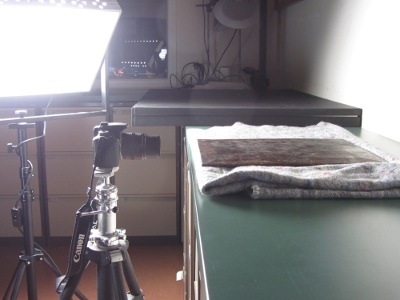
Using both tried and trusted methods that I have refined, incorporating a holistic approach, and developing a range of innovative new procedures including my recent break-through in non-invasive analysis methods, key archaeological structures will be examined. These key constructions are spread throughout the period under examination and each represent a different piece of the timber resource and timber trade puzzle, either temporally or geographically. These specific cases will make it possible for me to investigate specific, but contrasting questions on the regionality, chronology and geography of the maritime timber trade in Northern Europe, over a period of six centuries.
Combining the material and historic records and applying a range of analysis techniques this project will transform our understanding of the past timber trade.